建築始於一個想法。 好的設計解決方案不僅僅是物理上的有趣,而是由潛在的想法驅動。 一個想法是一種特定的心理結構,通過它可以為外部經驗和信息提供意義。 如果沒有潛在的想法通知他們的建築物,建築師只是空間規劃者。 我們組織的空間規劃,了解應用於“裝扮”的裝飾不是建築; 建築物存在於建築物的DNA中,具有嵌入的感性,可以注入其整體。
分割(parti)是建築的核心理念或概念。
一個分割可以通過不種方式表現,但最常用是分割圖(parti diagram),並且暗示其體驗和審美敏感性。分割圖可以描述體量(massing)、入口、空間層次、場地關係、核心位置、內部流通、公共/私人區域劃分、可靠性/透明度以及許多其他問題。每個因素的關注比例因項目而異。
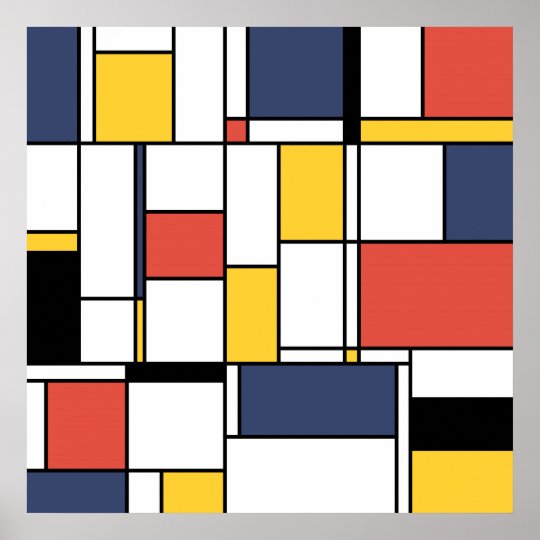
我用了當地的寮屋作為設計概念。我覺得那些散落的房屋,跟香港常見的高樓大廈很不一樣,代表著一個未城市化的地方歷史。而在平面圖上看,就讓我想起一塊塊的色塊和線條,好像荷蘭風格派運動的畫。只是寮屋並沒有那麼整齊。
發展和保育從前是兩條平行線。例如早年的排洪工程不會考慮生態,只會渠道化河流。後來,保育越來越受人關注,越來越多人明白綠化可以提升景觀,改善生活空間,增價樓價,所以發展和保育這兩條平行線,就越來越走得近,有了相交。
我用交叉的平行線重新繪製了荷蘭風格派運動,有一點點是,在固有框架中打破傳統的意思。我也希望透過這個公園,保留原區一點未城市的歷史痕跡。
Design Concept - Image Composition
Every building project is composed of one concept start, it is the most important step of the design foundation. A concept is an abstract idea, a plan, or an action to help sell or promote goods. Therefore, a concept can be anything. You can be inspired by birds, paintings, sculptures, etc.
Architecture begins with an idea. A good design solution is not just physically interesting but driven by underlying ideas. An idea is a specific psychological structure through which meaning can be provided for external experience and information. If there are no potential ideas to inform their buildings, the architect is just a space planner. The spatial planning we organize, knowing that the decoration applied to “dressing” is not a building; the building exists in the DNA of the building, has an embedded sensibility, and can be injected into its entirety.
Parti is the core concept or concept of architecture.
Segmentation can be expressed in no way, but the most common is a parti diagram and implies its experience and aesthetic sensitivity. Segmentation maps can describe massing, entry, spatial hierarchy, site relationships, core locations, internal circulation, public/private divisions, reliability/transparency, and many other issues. The proportion of attention for each factor varies from project to project.
I used the local squatter as a design concept. I think that the scattered houses are very different from the high-rise buildings that are common in Hong Kong and represent a local history that is not urbanized. Looking at the plan, it reminds me of the blocks and lines of the piece, like the paintings of the De Stijl. It’s just that the squatter house is not so tidy.
Development and conservation have been two parallel lines. For example, the flood drainage project in the early years will not consider the ecology and will only channel the river. Later, conservation has attracted more and more attention. More and more people understand that greening can enhance the landscape, improve living space, and increase the price of a property. Therefore, the two parallel lines of development and conservation are getting closer and closer. intersect.
I redraw the De Stijl style with crossed parallel lines, and a little bit is to break the traditional meaning in the inherent framework. I also hope that through this park, I will keep track of the history of the city.
 |
| 香港的寮屋 |
 |
| 梧桐河的寮屋 |
 |
| 梧桐河的寮屋 |
 |
| 荷蘭風格派運動 (De Stijl) |
 |
| Design Concept |
 |
| Final Conceptual Modules |


沒有留言:
發佈留言